johnyjoseph.in

johnycalicut4422@gmail.com

“SEO in 2025: The New Rules for Ranking on Google”

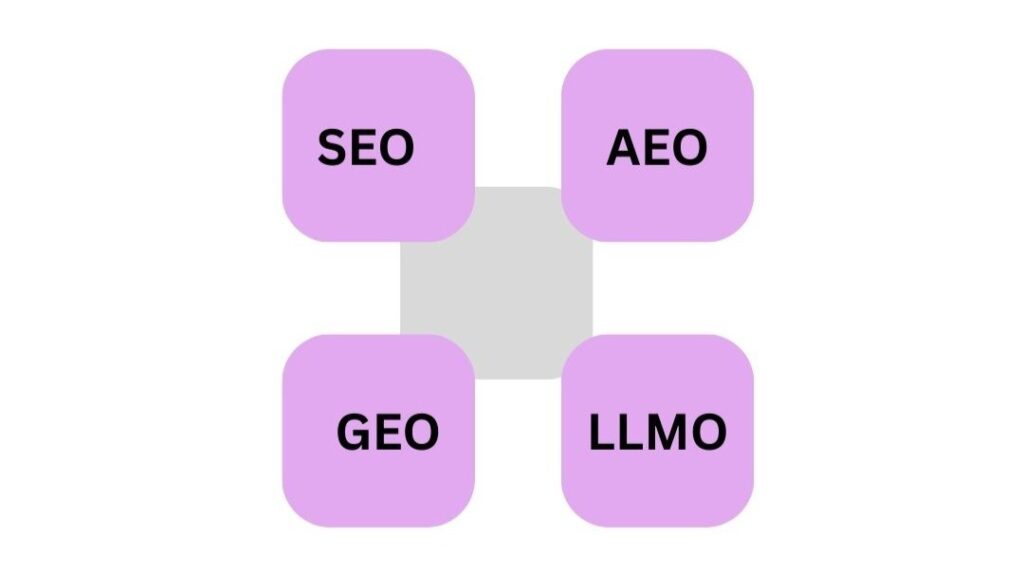
1. The Evolution of SEO: From Keywords to User Experience In the early days of SEO, ranking on Google was driven by keyword density, backlinks, and metadata. However, SEO in 2025: The New Rules for Ranking on Google emphasizes user satisfaction, search intent, and experience-focused optimization as the core drivers of sustainable rankings. Key Shifts in SEO Evolution: From Keywords to Context: Google now understands natural language and user intent through AI models like BERT and MUM. From Backlinks to Brand Authority: Quality backlinks still matter, but brand credibility and trust signals are becoming equally important. From Desktop to Multi-Device SEO: Optimizing for mobile, voice, and even wearable devices is crucial. From Algorithms to Experiences: Google’s ranking factors now prioritize content that delivers clear value and seamless usability. Takeaway:SEO in 2025 isn’t about tricking algorithms—it’s about creating authentic, user-first experiences that satisfy search intent. 2. Core Web Vitals and User Experience Dominate Rankings Google’s Core Web Vitals continue to be central to search rankings, focusing on how users experience a website rather than just its content. The Three Core Web Vitals: LCP (Largest Contentful Paint): Measures how quickly the main content loads. FID (First Input Delay): Tracks how quickly a website responds to user actions. CLS (Cumulative Layout Shift): Evaluates visual stability during page loading. Additional User Experience Factors in 2025: Mobile-First Design: With most searches coming from smartphones, a mobile-optimized interface is non-negotiable. Secure Browsing (HTTPS): Trust and security are essential for higher rankings. Accessibility: Websites that are inclusive and easy to navigate for all users perform better. Tips to Improve UX for SEO: Compress images and enable browser caching for faster load times. Use clean, intuitive site navigation. Optimize for accessibility with proper alt tags and readable fonts. Bottom line:A smooth, fast, and user-friendly website is now as critical as great content for ranking in 2025. 3. AI and Search Intent: Smarter Results, Smarter Optimization Google’s AI systems, such as RankBrain, BERT, and MUM, have redefined how the search engine interprets content. SEO in 2025: The New Rules for Ranking on Google highlight how AI now prioritizes meaning, user intent, and contextual relevance rather than relying solely on keywords. How AI Shapes SEO in 2025: Semantic Search: Google interprets relationships between words and topics rather than matching exact phrases. Voice Search Optimization: Conversational, question-based queries are growing, especially with smart devices. Predictive Search: AI anticipates what users want before they finish typing. Content Relevance: AI evaluates whether your content genuinely satisfies the user’s need. Optimization Tips for the AI Era: Focus on long-tail and conversational keywords. Write content that answers specific questions clearly. Use structured data (schema markup) to help Google understand context. Continuously update and refresh your best-performing content. In short, SEO in 2025 is about aligning your content with how humans think—and how AI interprets that thinking. 4. The Power of E-E-A-T: Experience, Expertise, Authoritativeness, and Trustworthiness Google’s E-E-A-T framework (Experience, Expertise, Authoritativeness, and Trustworthiness) has become a defining ranking factor—especially for sensitive niches like health, finance, and education—making it a core principle of SEO in 2025: The New Rules for Ranking on Google. How E-E-A-T Impacts Rankings: Experience: Demonstrating real-world knowledge and firsthand experience builds authenticity. Expertise: Author credentials and professional insights improve content credibility. Authoritativeness: Mentions and backlinks from reputable sources strengthen domain authority. Trustworthiness: Transparent contact details, HTTPS security, and honest content foster user trust. Ways to Improve E-E-A-T: Include author bios with credentials on all major content. Earn backlinks from recognized publications and influencers. Keep facts up-to-date and cite credible sources. Encourage customer reviews and testimonials. By building E-E-A-T, your website signals to Google—and your audience—that your content is reliable, relevant, and respected. 5. Visual and Voice Search Optimization: The Future of Discovery With AI-driven tools and devices becoming mainstream, visual and voice searches are transforming how users discover information online. Voice Search Optimization Tips: Target natural, conversational queries (e.g., “Where’s the best digital marketer in Calicut?”). Use featured snippets and FAQ sections to capture voice results. Optimize for local SEO—most voice searches are location-based. Visual Search Optimization Tips: Use high-quality, descriptive images with alt text. Submit images to Google Lens and Pinterest Lens databases. Optimize product images with clear metadata and relevant filenames. Impact:By 2025, nearly 50% of all searches are expected to be visual or voice-based, meaning businesses must go beyond text to dominate new discovery channels. 6. Data, Analytics, and Automation: Smarter SEO Strategy Data-driven decision-making is at the heart of SEO success in 2025. With advanced tools powered by AI, marketers can track performance, analyze trends, and automate optimization tasks. Top SEO Tools and Trends: AI Content Auditors: Identify gaps and suggest improvements automatically. Predictive Analytics: Forecast which content will perform best. Automated Reporting: Save time with AI-driven dashboards. Smart Link Building Tools: Identify link opportunities and outreach prospects efficiently. Benefits of SEO Automation: Reduces manual work and human error. Provides real-time insights for quick adjustments. Helps marketers focus on creativity and strategy. Key Metrics to Track in 2025: Organic traffic and engagement duration. Click-through rate (CTR) and conversion rate. Search intent satisfaction (how well content answers queries). Core Web Vitals performance. By leveraging analytics and automation, marketers can make smarter, faster decisions that lead to consistent growth and higher Google rankings. Conclusion: SEO in 2025 is the art of balancing advanced technology, creative storytelling, and user trust. Rankings are no longer driven by backlinks or keyword stuffing alone but by user-centric approaches that merge technical excellence, authentic content, and custom digital marketing strategies tailored to specific business goals and audience intent.

“SEO in 2025: The New Rules for Ranking on Google” Read More »

Scrabble tiles spelling 'AI' on a wooden surface symbolize artificial intelligence technology.

“How AI and Machine Learning Are Transforming Digital Marketing”

1. Understanding AI and Machine Learning in Digital Marketing Before exploring how AI and machine learning are transforming digital marketing, it’s important to first understand what these technologies mean within a marketing context. Understanding their core concepts lays the foundation for appreciating how AI and machine learning are transforming digital marketing and the value they bring to modern marketing strategies. Artificial Intelligence (AI) refers to systems that mimic human intelligence—learning, reasoning, and problem-solving. Machine Learning (ML) is a subset of AI that uses data and algorithms to enable systems to learn and improve automatically without explicit programming. In digital marketing, AI and ML help: Analyze consumer behavior and trends. Automate repetitive marketing tasks. Optimize ad campaigns in real time. Deliver personalized content and recommendations. Predict customer needs before they express them. AI is no longer just a futuristic concept; it’s a core component of modern marketing strategies that enhances precision, personalization, and performance. 2. AI-Powered Personalization: Delivering Tailored Experiences One key aspect of how AI and machine learning are transforming digital marketing is personalization. AI allows brands to move beyond basic demographics and deliver highly tailored experiences based on user behavior, interests, and purchase history. Key ways AI enhances personalization: Dynamic Content: AI tools customize website content and emails in real time based on user intent. Product Recommendations: E-commerce sites use ML algorithms to suggest products that align with browsing and purchase patterns. Personalized Ads: Platforms like Google and Meta use AI to display ads tailored to specific audience segments. Behavioral Targeting: AI predicts what users are most likely to engage with, improving campaign performance. Benefits of AI-driven personalization: Increased conversion rates. Higher customer satisfaction and loyalty. Reduced bounce rates through relevant user experiences. AI ensures your audience feels understood and valued—a critical factor in modern marketing success. 3. Predictive Analytics: Anticipating Customer Needs An important way AI and machine learning are transforming digital marketing is through predictive analytics. By leveraging past data, machine learning enables marketers to forecast future behavior, shifting marketing from reactive to proactive decision-making. Applications of predictive analytics include: Lead Scoring: Prioritize leads based on their likelihood to convert. Customer Retention: Identify customers at risk of churn and take preventive action. Sales Forecasting: Predict demand and optimize inventory and promotions. Content Optimization: Determine what type of content resonates most with specific audiences. Benefits: Better resource allocation. Reduced marketing waste. Improved ROI through data-driven insights. With predictive analytics, businesses can anticipate what customers want before they even know it, creating timely and relevant marketing strategies. 4. Chatbots and Conversational Marketing: Enhancing Customer Engagement Chatbots are one of the most visible applications of AI in digital marketing. They provide instant, interactive, and intelligent communication between brands and customers 24/7. AI-powered chatbots can: Answer FAQs and resolve issues instantly. Provide product recommendations based on user queries. Guide users through the sales funnel. Collect valuable customer data for personalization. Benefits of AI Chatbots: 24/7 Availability: Customers receive support anytime, anywhere. Cost Efficiency: Reduces the need for large customer service teams. Improved User Experience: Quick and relevant responses enhance satisfaction. AI chatbots turn websites and social platforms into interactive communication channels, boosting engagement and conversions. 5. Smarter Advertising with AI and Machine Learning AI is transforming paid advertising by making campaigns more targeted, efficient, and measurable. Through continuous data analysis, AI optimizes ad performance automatically to maximize ROI. How AI enhances advertising: Automated Bidding: Platforms like Google Ads use AI to set optimal bids for conversions. Audience Segmentation: ML identifies high-value audience segments based on behavior and demographics. Ad Copy Optimization: AI tools test and refine ad copy for better click-through rates. Real-Time Performance Tracking: Algorithms adjust campaigns dynamically based on real-time performance. Key Benefits: Increased ad efficiency and cost-effectiveness. Higher conversion rates through precision targeting. Reduced manual intervention in campaign management. With AI, advertisers can focus on strategy and creativity while machines handle data analysis and optimization. 6. Content Creation and SEO Automation: Smarter, Faster Marketing AI is changing how marketers create and optimize content. From writing assistance to SEO analytics, AI-driven tools help brands produce high-quality, search-optimized content faster than ever. Applications of AI in content marketing: AI Writing Tools: Generate blog ideas, headlines, and even complete articles. SEO Optimization: Tools like SurferSEO and Clearscope use AI to enhance on-page SEO performance. Voice Search Optimization: AI analyzes conversational search trends for better keyword targeting. Visual Content Creation: AI tools design social media graphics and videos automatically. Advantages: Saves time and boosts productivity. Improves content consistency and quality. Enhances visibility on search engines. By automating repetitive tasks, marketers can focus more on creativity, storytelling, and strategy — areas where human touch still matters most. Conclusion: AI and machine learning are no longer optional in digital marketing—they’re essential for staying competitive in a data-driven world. These technologies are enabling marketers to understand their audiences more deeply, predict behavior accurately, and automate tasks with unprecedented efficiency. Businesses that embrace AI today are building the foundation for tomorrow’s marketing success. The future belongs to brands that can combine human creativity with AI-powered intelligence—creating marketing strategies that are not only smart but also meaningful.

“How AI and Machine Learning Are Transforming Digital Marketing” Read More »

Best freelance digital marketer in Taliparamba, Kannur

“Paid Ads vs. Organic Growth: Which Strategy Works Best for Your Business?”

1. Understanding Paid Advertising: Instant Visibility at a Cost Paid advertising involves promoting your brand through sponsored ads on platforms like Google, Facebook, Instagram, or YouTube. It offers immediate exposure, helping businesses reach a targeted audience in a short time. Key Advantages of Paid Ads: Instant Results: Your brand appears immediately in search results or social feeds. Targeted Reach: Ads can be customized based on demographics, interests, location, and behavior. Measurable ROI: You can track clicks, conversions, and engagement with real-time data. Scalability: Budgets and campaigns can be adjusted instantly for maximum results. Challenges: High Cost: Continuous spending is required to maintain visibility. Ad Fatigue: Overexposure may reduce engagement. Short-Term Impact: Traffic disappears once you stop paying. Paid ads are ideal for quick promotions, product launches, or seasonal campaigns, but not always sustainable without strong organic support. 2. Understanding Organic Growth: Building Trust and Longevity Organic growth focuses on non-paid strategies to attract visitors, such as SEO (Search Engine Optimization), content marketing, social media engagement, and email marketing. It takes longer to show results but delivers more sustainable benefits. Key Advantages of Organic Growth: Long-Term Value: Content and SEO rankings continue to generate traffic for months or years. Brand Credibility: Audiences tend to trust organic results more than paid ones. Cost-Effective: Lower ongoing costs compared to paid ads. Community Building: Encourages genuine engagement and brand loyalty. Challenges: Time-Consuming: It may take months to see tangible results. Algorithm Dependence: Changes in search or social algorithms can affect visibility. Content Demands: Requires consistent, high-quality content creation. Organic marketing is a great foundation for brand authority, long-term visibility, and sustainable traffic. 2. AI-Powered Personalization: Delivering Tailored Experiences Personalization has become the cornerstone of successful marketing. AI enables brands to go beyond basic demographics to deliver deeply personalized experiences based on user behavior, interests, and purchase history. Key ways AI enhances personalization: Dynamic Content: AI tools customize website content and emails in real time based on user intent. Product Recommendations: E-commerce sites use ML algorithms to suggest products that align with browsing and purchase patterns. Personalized Ads: Platforms like Google and Meta use AI to display ads tailored to specific audience segments. Behavioral Targeting: AI predicts what users are most likely to engage with, improving campaign performance. Benefits of AI-driven personalization: Increased conversion rates. Higher customer satisfaction and loyalty. Reduced bounce rates through relevant user experiences. AI ensures your audience feels understood and valued—a critical factor in modern marketing success. 3. Comparing ROI: Short-Term Gains vs Long-Term Stability When deciding between paid and organic strategies, understanding Return on Investment (ROI) is crucial. Paid Ads ROI: Delivers quick conversions, especially for limited-time offers or new businesses. Easier to measure performance through analytics tools. ROI often fluctuates depending on ad spend and competition. Organic Growth ROI: Takes longer to achieve but builds lasting results. Cost per acquisition decreases over time as your content ranks higher. Organic visibility increases trust, improving conversion rates in the long run. In summary: Paid ads = Fast but temporary ROI. Organic growth = Slow but compounding ROI. A balanced approach often yields the highest return. 4. When to Choose Paid Ads: Best Scenarios for Quick Wins Paid advertising works best when your business needs immediate visibility and measurable action. Ideal Situations for Paid Ads: Launching a New Product or Service: Create instant buzz and awareness. Seasonal Promotions: Boost traffic during festivals or sales events. Testing a Market: Identify what messaging and audiences convert best. Competitive Niches: Outrank established competitors temporarily. Tips for Maximizing Paid Ad Performance: Optimize landing pages for conversions. Use A/B testing for different ad creatives. Set clear KPIs (clicks, leads, sales) before launching campaigns. Monitor and adjust budgets regularly. When executed strategically, paid ads can drive leads fast—especially for startups or campaigns with tight timelines. 5. When to Choose Organic Growth: Best for Sustainable Success Organic growth is ideal for businesses that aim to build brand reputation and customer loyalty over time. Ideal Scenarios for Organic Growth: Content-Driven Businesses: Blogs, influencers, and educational brands. Local Businesses: Building community trust through SEO and social presence. Long-Term Vision: Companies focused on consistent brand value. Limited Budget: When ad spend isn’t sustainable. Key Strategies for Organic Success: Invest in SEO optimization for your website and blogs. Publish high-quality, value-driven content regularly. Build email lists and nurture relationships. Engage authentically on social media platforms. Organic growth helps businesses attract customers naturally, establish authority, and sustain growth even with minimal advertising. 6. The Perfect Blend: Combining Paid Ads and Organic Growth Instead of choosing one over the other, many successful brands combine both strategies to achieve maximum impact. Benefits of a Hybrid Strategy: Faster Growth: Use paid ads for quick traffic and organic tactics for retention. Stronger Brand Visibility: Appear in both paid and organic search results. Data Synergy: Insights from ad analytics can improve organic strategies. Balanced Budgeting: Spend on ads strategically while building organic assets. Example Strategy: Launch a paid ad campaign to drive traffic to a new product page. Optimize that page with SEO for long-term ranking. Use email marketing and social content to nurture leads. Gradually reduce ad spend as organic performance grows. This approach ensures instant results today and sustainable success tomorrow. Conclusion: Both paid ads and organic growth play crucial roles in digital marketing success. Paid ads provide immediate reach and measurable outcomes, while organic growth builds trust, authority, and long-term results.Ultimately, the best strategy depends on your goals, budget, and timeline. For most businesses, a hybrid approach—using paid ads to kickstart momentum and organic methods to sustain it—is the most effective way to maximize ROI and build a powerful digital presence.  

“Paid Ads vs. Organic Growth: Which Strategy Works Best for Your Business?” Read More »

Scrabble tiles spelling 'Social Media' on a blue background, ideal for digital marketing themes.

“Social Media Marketing: How to Build a Loyal Community Around Your Brand”

1. Define Your Brand’s Identity and Voice Before you start building a community, you need to know who you are as a brand. A strong, consistent identity will help differentiate you from the competition and give your community a reason to engage. Key aspects to define: Brand values: What does your brand stand for? Are you focused on sustainability, innovation, or customer service? Your values should resonate with your target audience. Brand voice: Your tone of voice will set the tone for your communications. Whether it’s friendly, authoritative, playful, or professional, consistency is key. Visual identity: Your social media visuals—logos, color schemes, fonts—should reflect your brand personality and make your posts instantly recognizable. Why it matters:A clear brand identity helps foster trust and builds an emotional connection with your audience. If your audience feels aligned with your values and recognizes your voice, they’re more likely to stick around and engage. 2. Create Engaging, Authentic Content Content is king in the social media world. But not all content is created equal. To build a loyal community, your content needs to be authentic, engaging, and valuable. Types of content that engage: User-generated content (UGC): Encourage your followers to share photos, reviews, or stories related to your brand. This not only boosts engagement but makes your community feel involved. Behind-the-scenes content: Share glimpses of your company culture, product creation process, or team. This humanizes your brand and makes it relatable. Interactive content: Polls, quizzes, challenges, and Q&A sessions are great for increasing engagement and creating a two-way conversation with your audience. Storytelling: Tell your brand’s story, showcase customer success stories, or highlight community members. Story-driven content evokes emotion and builds deeper connections. Why it works:Authentic content feels real and relatable. By sharing content that highlights your values and invites conversation, you create an emotional connection that builds trust and loyalty over time. 3. Engage with Your Audience Consistently Building a loyal community requires regular interaction with your followers. Social media is a two-way street, and your audience expects more than just promotional posts. They want to feel heard, acknowledged, and valued. Effective engagement strategies: Respond to comments and messages: Whether it’s answering questions, thanking customers for positive feedback, or addressing complaints, engagement shows you care about your audience. Host live sessions: Live Q&As, webinars, or product demos offer an opportunity for real-time engagement and foster a sense of exclusivity. Share user feedback and shout-outs: When a community member posts something positive or gives feedback, share it with your audience. This not only rewards the individual but also shows others that you value their input. Why engagement matters:Consistent engagement turns followers into brand advocates. By acknowledging and responding to your community, you build trust and loyalty, ensuring your audience feels like part of something bigger. 4. Build a Community, Not Just a Follower Count Social media isn’t about chasing numbers; it’s about creating a space for authentic conversations where your followers feel they belong. Building a community means focusing on quality engagement rather than vanity metrics like follower count. How to foster a sense of community: Create groups and forums: Facebook Groups, LinkedIn Groups, or Discord channels are great for cultivating a sense of community where members can interact with each other. Share valuable, non-promotional content: Offer tips, industry news, and educational content that adds value to your community. This positions your brand as a helpful resource. Encourage peer-to-peer interactions: Let your followers interact with one another. Host challenges, discussions, and collaborations that encourage them to share their experiences with each other. Why it works:A true community feels like a safe, engaging space. By focusing on creating connections between your audience members, you foster a deeper sense of belonging, which keeps them loyal to your brand. 5. Reward and Recognize Loyal Followers People love being recognized. When your followers feel appreciated, they are more likely to stay loyal to your brand and share their positive experiences with others. Ways to reward your community: Exclusive content: Offer early access to product launches, exclusive deals, or members-only content to make your followers feel valued. Loyalty programs: Create programs that reward repeat customers with discounts, perks, or special offers. Feature your followers: Recognize loyal community members by featuring them in your posts, stories, or newsletters. A little acknowledgment can go a long way. Why it works:Rewarding your followers makes them feel special and valued. This not only helps retain your current community but also encourages others to engage with your brand in hopes of being recognized. 6. Monitor, Analyze, and Adjust Your Strategy To build a truly loyal community, you need to know what’s working—and what isn’t. Regularly analyzing your social media efforts will help you fine-tune your strategy and ensure that your community-building efforts are effective. Key metrics to monitor: Engagement rate: Track likes, shares, comments, and overall interaction to gauge how well your content resonates with your audience. Growth rate: Monitor your follower growth to determine if your community is expanding. Sentiment analysis: Measure the sentiment of your followers—are they happy, frustrated, excited? Understanding how your audience feels can guide your strategy. Top-performing content: Identify which posts perform the best in terms of engagement and use them as inspiration for future content. Why it’s crucial:Analytics allow you to understand your community’s needs and preferences. By continuously tweaking your strategy based on data, you can ensure that you’re creating the best possible experience for your audience. Conclusion: Building a loyal community around your brand on social media isn’t an overnight process—it requires ongoing effort, engagement, and authenticity. But the payoff is worth it. A strong community not only boosts brand loyalty and customer retention but also acts as a powerful marketing tool. Your followers will become your most passionate advocates, spreading the word about your brand and driving growth.

“Social Media Marketing: How to Build a Loyal Community Around Your Brand” Read More »

“Top 5 Digital Marketing Tools Every Marketer Should Know About”

1. Google Analytics: The Backbone of Data-Driven Decisions When it comes to tracking website traffic, user behavior, and overall performance, Google Analytics is an essential tool for any marketer. It provides detailed insights into how visitors interact with your site, allowing you to make informed decisions based on real-time data. Why you need Google Analytics: Track website traffic: Google Analytics gives you a comprehensive overview of your site’s traffic, including the number of visitors, page views, and session duration. User behavior insights: It tracks user flow, bounce rate, and which pages drive the most engagement, helping you improve your content strategy. Conversion tracking: Set up goals and track conversions (e.g., form submissions, purchases) to measure campaign success. Customizable reports: You can create custom dashboards to view key metrics at a glance. Pro tip: Use Google Analytics in conjunction with Google Tag Manager for better control over tracking and event management. 2. SEMrush: Comprehensive SEO & Competitive Analysis For marketers aiming to improve their search engine rankings and outperform competitors, SEMrush is a game-changer. This all-in-one SEO tool helps you track your website’s keyword rankings, perform competitive analysis, and discover new opportunities to drive organic traffic. Key features of SEMrush: Keyword research: Discover high-value keywords and analyze their search volume, competition, and potential traffic. Site audit: Identify SEO issues on your website (broken links, slow loading speeds, etc.) that might be affecting your rankings. Competitor analysis: Analyze your competitors’ traffic, backlinks, and content strategy to gain an edge. Backlink tracking: Keep an eye on your backlink profile and ensure you’re building high-quality links. Why it’s valuable:SEMrush helps you stay on top of ever-changing SEO trends and gives you the tools to continuously optimize your website for higher rankings. 3. Canva: Effortless Graphic Design for Non-Designers In digital marketing, visual content is key to engaging your audience, and Canva makes it easy for anyone to create stunning visuals. Whether you need social media posts, infographics, banners, or presentations, Canva is an intuitive tool that allows you to design professional-quality graphics without any prior design experience. Why you should use Canva: Pre-built templates: Choose from thousands of templates designed for various platforms (Instagram, Facebook, LinkedIn, etc.) and customize them to your brand’s aesthetic. Easy drag-and-drop interface: Canva’s user-friendly design tools make it simple to create visuals by dragging and dropping elements. Brand kit: Upload your brand’s logos, colors, and fonts, so you can create on-brand designs every time. Collaborative features: Team members can collaborate on designs in real-time, making it perfect for marketing teams. Pro tip: Use Canva Pro for advanced features like resizing designs automatically for different social media platforms and access to premium stock photos. 4. Mailchimp: Powerful Email Marketing Automation Email marketing remains one of the most effective digital marketing channels, and Mailchimp is one of the best tools for creating, automating, and analyzing email campaigns. Whether you’re sending newsletters, promotional offers, or transactional emails, Mailchimp helps you streamline and optimize your email marketing efforts. Why Mailchimp is essential: Automation workflows: Set up automated email campaigns based on triggers, such as abandoned carts or sign-ups, to nurture leads and drive conversions. A/B testing: Test different subject lines, content, and designs to see which versions perform best with your audience. Detailed analytics: Track open rates, click-through rates, and other key metrics to understand how your email campaigns are performing. Personalization: Use segmentation to send targeted emails based on customer behavior, interests, or demographics. Why it works:Mailchimp’s user-friendly interface and powerful features make it a go-to tool for marketers looking to drive engagement and sales through email. 5. Hootsuite: Streamlining Social Media Management Managing multiple social media accounts can be time-consuming, but Hootsuite simplifies the process by allowing you to schedule, monitor, and analyze posts across platforms from one dashboard. Whether you’re handling one brand or multiple accounts, Hootsuite helps you stay organized and efficient. What Hootsuite offers: Social media scheduling: Plan and schedule posts in advance across multiple platforms (Facebook, Twitter, Instagram, LinkedIn, etc.). Analytics and reports: Measure engagement, follower growth, and overall social media performance with detailed reports. Team collaboration: Assign tasks to team members, review drafts, and collaborate on content to ensure consistency across your brand’s social media. Listening and monitoring: Track conversations around your brand and industry, identify trends, and respond to customer queries in real-time. Pro tip: Use Hootsuite’s AutoSchedule feature to automatically choose the best time to post based on audience engagement patterns. Conclusion: In the world of digital marketing, tools are not just nice to have—they’re essential for driving measurable success. The right digital marketing tools help you gather data, optimize campaigns, improve customer engagement, and boost ROI. Whether you’re focused on SEO, social media, email marketing, or content creation, these five tools—Google Analytics, SEMrush, Canva, Mailchimp, and Hootsuite—offer everything you need to take your marketing efforts to the next level.

“Top 5 Digital Marketing Tools Every Marketer Should Know About” Read More »

Close-up of a business professional analyzing data trends using a tablet and laptop.

“Data-Driven Decisions: How Analytics Are Revolutionizing Digital Marketing”

1. Enhancing Customer Insights Through Data One of the most significant changes brought about by data analytics is the ability to gain deep insights into customer behavior. In the past, marketers could only guess what their customers wanted. Today, with analytics, they can understand their audience’s preferences, habits, and pain points with remarkable precision. Key benefits of customer insights: Segmentation & targeting: Analytics allow marketers to segment audiences based on demographics, location, interests, and behaviors, ensuring targeted campaigns that resonate with each group. Personalization at scale: By leveraging data, brands can create personalized experiences—like tailored emails, product recommendations, and dynamic website content—that increase engagement and conversion. Customer journey mapping: Analytics can track every interaction a customer has with your brand, from the first touchpoint to the final conversion, helping to refine the customer journey and improve the overall experience. Tools to use: Google Analytics Hotjar (heatmaps and session recordings) Customer Relationship Management (CRM) platforms like Salesforce or HubSpot 2. Real-Time Performance Tracking for Immediate Adjustments The ability to track digital marketing campaigns in real time has transformed the industry. Marketers no longer have to wait days or weeks to see how their efforts are performing. Analytics tools provide live data on everything from website traffic to ad performance, enabling quick tweaks and adjustments. Real-time tracking benefits: Immediate optimization: Marketers can adjust ad spend, change messaging, or even pause underperforming campaigns instantly. Campaign efficiency: Real-time data helps in understanding which channels (social media, search engines, email, etc.) are driving the best results, ensuring that resources are allocated effectively. Avoiding losses: By tracking KPIs like Cost Per Acquisition (CPA), Return on Ad Spend (ROAS), and conversion rates, marketers can quickly identify when a campaign is underperforming and stop wasting resources. Example:A fashion retailer running a Google Ads campaign can use real-time performance tracking to see that their ads featuring one particular product are outperforming others. They can then allocate more budget to that specific product or adjust their keyword strategy on the spot. 3. Predictive Analytics for Future-Proof Strategies One of the most exciting developments in digital marketing is predictive analytics. By analyzing historical data and trends, marketers can forecast future behaviors and trends, allowing them to make proactive decisions. Advantages of predictive analytics: Forecasting customer needs: Predictive models can help marketers anticipate what products or services customers are likely to be interested in based on their past behavior and market trends. Identifying at-risk customers: Predictive models can detect patterns that indicate when a customer is likely to churn, enabling marketers to take preemptive action, such as offering discounts or personalized messages to retain them. Improving inventory management: By predicting demand, brands can optimize their inventory and avoid overstocking or understocking products. Example:Streaming platforms like Netflix use predictive analytics to recommend content based on user behavior and viewing history. This data-driven approach has helped Netflix maintain high engagement and retention rates. 4. Improving Content Strategy with Data-Backed Insights Content is a critical part of any digital marketing strategy, but creating content that resonates with your audience is no easy task. Data analytics makes it possible to identify which types of content are most engaging, what topics are trending, and what formats are driving the best results. Content strategy benefits: Audience preferences: Data can reveal which blog posts, videos, or social media posts are most engaging to your audience, helping to shape future content. Content performance: Analytics track how well specific pieces of content are performing across channels, including views, shares, comments, and time spent on the page, enabling marketers to double down on what works. SEO optimization: Data from search engine performance can inform content creation, helping marketers rank higher for specific keywords and topics. Tools to use: BuzzSumo (to track trending content) Google Search Console (for keyword performance) SEMrush (for SEO insights) 5. Optimizing Conversion Rates with A/B Testing Data-driven decision-making is not just about gathering insights—it’s also about testing and optimizing. A/B testing (split testing) allows marketers to experiment with different elements of their digital campaigns, whether it’s an email subject line, a landing page design, or an ad copy. Benefits of A/B testing: Data-backed decisions: Instead of guessing what might work, A/B testing provides concrete data that shows which version of a page or campaign delivers the best results. Incremental improvements: By running multiple tests over time, marketers can continually improve their campaigns and optimize conversion rates. Personalization: A/B testing helps identify what resonates with different audience segments, enabling more personalized and effective marketing efforts. Example:An e-commerce site may test two different versions of their checkout page to see which one leads to more completed purchases. Insights from A/B testing can then be used to refine the user experience and reduce cart abandonment. 6. Enhancing Customer Retention with Data-Driven Engagement While acquiring new customers is essential, retaining existing ones is often more cost-effective. Analytics can help marketers develop targeted retention strategies that foster loyalty and repeat business. Retention strategies powered by data: Personalized engagement: Analytics allows marketers to segment existing customers based on purchasing behavior, enabling them to send personalized offers, discounts, and recommendations that drive repeat purchases. Email marketing optimization: Data from email campaigns helps marketers optimize send times, subject lines, and content to maximize open rates and engagement. Customer feedback analysis: By collecting and analyzing customer feedback and reviews, brands can identify pain points and improve their products or services, ultimately boosting retention. Tools to use: Mailchimp (for email campaign analytics) Customer surveys (via tools like SurveyMonkey or Google Forms) Retargeting platforms like AdRoll Conclusion: In today’s digital age, data-driven decision-making is no longer optional — it’s a must. Analytics allow digital marketers to optimize campaigns, understand their audience deeply, and predict future trends with confidence. By leveraging data to enhance customer insights, track performance in real-time, create personalized content, and test different strategies, marketers are achieving higher ROI, stronger customer engagement, and long-term success.

“Data-Driven Decisions: How Analytics Are Revolutionizing Digital Marketing” Read More »

SEO spelled with Scrabble tiles on a black surface, representing search engine optimization concepts.

“Mastering SEO: Proven Strategies to Boost Your Website’s Ranking”

1. Conduct Comprehensive Keyword Research Keywords are the backbone of SEO. They bridge the gap between what people are searching for and the content you offer. Successful SEO starts with identifying and targeting the right keywords. Why keyword research matters: Helps you understand user intent — what your audience is really looking for. Guides your content strategy and ensures relevance. Increases your visibility for high-value searches. Actionable tips: Use advanced tools: Platforms like Google Keyword Planner, Ahrefs, SEMrush, and Ubersuggest help identify keyword difficulty, volume, and trends. Target long-tail keywords: Phrases like “best vegan protein powder for beginners” have lower competition and higher conversion potential. Analyze competitors: Check which keywords your competitors rank for and identify content gaps. Focus on search intent: Whether it’s informational, navigational, or transactional, tailor your content accordingly. Pro tip: Combine keywords naturally within your titles, headers, meta descriptions, and body text—without keyword stuffing. 2. Optimize On-Page SEO Elements On-page SEO refers to optimizing individual web pages to improve search rankings and drive organic traffic. It ensures both search engines and users can easily understand your content. Key on-page factors: Title Tags: Keep titles under 60 characters, include your main keyword, and make them compelling. Meta Descriptions: Write concise summaries (under 160 characters) with a clear call to action. Header Tags (H1, H2, H3): Structure your content logically and include keywords in subheadings. URL Structure: Short, descriptive URLs perform better (e.g., /digital-marketing-trends-2025/ instead of /page?id=123). Internal Linking: Connect relevant pages within your site to enhance navigation and SEO authority. Image Optimization: Compress images and use descriptive file names and alt text. Why it matters:Optimized pages not only rank higher but also provide a better user experience, which boosts engagement and lowers bounce rates. 3. Build High-Quality Backlinks Backlinks—links from other websites to yours—remain one of Google’s strongest ranking factors. They signal to search engines that your content is credible, valuable, and trustworthy. Effective link-building strategies: Guest Blogging: Contribute quality articles to reputable sites in your industry. Create Shareable Content: Infographics, guides, and original research are more likely to earn backlinks. Broken Link Building: Identify broken links on other websites and offer your content as a replacement. Leverage Partnerships: Collaborate with influencers, industry experts, or complementary brands. Digital PR: Get featured in online publications, podcasts, and niche forums. Things to avoid: Buying low-quality backlinks. Using spammy link directories. Over-optimizing anchor text. Remember: One backlink from a reputable domain can be more valuable than dozens from irrelevant or low-authority sites. 4. Improve Technical SEO and Website Performance Even the best content won’t rank if your website isn’t technically sound. Technical SEO ensures your site is easily crawlable, fast-loading, and mobile-friendly — all crucial ranking factors in 2025. Focus areas: Website Speed: Use tools like Google PageSpeed Insights or GTmetrix to identify performance issues. Compress images, enable browser caching, and use a Content Delivery Network (CDN). Mobile Optimization: With mobile-first indexing, ensure your site is fully responsive and visually optimized for all devices. Secure Your Site (HTTPS): Security is a trust factor; always use SSL certificates. Crawlability & Indexing: Create an XML sitemap, use robots.txt correctly, and fix crawl errors in Google Search Console. Core Web Vitals: Improve metrics like Largest Contentful Paint (LCP), First Input Delay (FID), and Cumulative Layout Shift (CLS). Bonus tip: Regularly perform SEO audits to identify and fix broken links, duplicate content, and redirect issues. 5. Create High-Quality, Engaging Content In SEO, content is still king — but not just any content. Search engines reward pages that provide value, originality, and depth. In 2025, quality content also means understanding E-E-A-T: Experience, Expertise, Authoritativeness, and Trustworthiness. How to create SEO-friendly content: Write for humans first: Make content readable, engaging, and informative. Use keywords naturally: Maintain flow while strategically placing relevant terms. Add visual elements: Include images, videos, infographics, and charts to improve engagement. Update content regularly: Keep your information current to maintain rankings. Use storytelling: Connect emotionally with your audience to improve dwell time and shares. Answer “People Also Ask” questions: Address FAQs and related search queries for better visibility. Content formats that perform well: In-depth guides and tutorials Case studies and data-driven reports How-to videos and explainer content Comparison articles (e.g., “X vs Y”) Pro tip: Use tools like Surfer SEO or Clearscope to optimize your content based on top-ranking competitors. 6. Track, Analyze, and Adapt Your SEO Strategy SEO isn’t a one-time project—it’s a continuous process of measurement and improvement. Data-driven decision-making helps you identify what’s working and what needs tweaking. Tools to use: Google Analytics 4 (GA4): Track traffic sources, user behavior, and conversion rates. Google Search Console: Monitor indexing issues, search performance, and keyword rankings. Ahrefs / SEMrush: Analyze backlinks, competitors, and keyword trends. Hotjar / Crazy Egg: Visualize user interactions through heatmaps and session recordings. What to track: Organic traffic growth Keyword rankings Click-through rates (CTR) Bounce rate and dwell time Conversion metrics (sales, leads, sign-ups) Continuous improvement tips: Conduct regular SEO audits. Update old content with fresh data and new insights. Experiment with different content formats and CTAs. Stay informed about Google algorithm updates. Conclusion: Mastering SEO requires patience, persistence, and adaptability. It’s not about quick wins but sustainable growth through consistent effort and strategic planning. By focusing on keyword research, on-page optimization, backlinks, technical improvements, and content quality, you’ll build a strong foundation that stands the test of time.

“Mastering SEO: Proven Strategies to Boost Your Website’s Ranking” Read More »

“The Future of Digital Marketing: Trends You Can’t Ignore in 2025”

1. AI-Powered Personalization Takes Center Stage Artificial Intelligence (AI) is no longer a futuristic concept—it’s the beating heart of modern marketing. In 2025, personalization driven by AI will become the cornerstone of every successful campaign. Why it matters: Hyper-personalized experiences: AI analyzes user data in real-time to deliver personalized product recommendations, emails, and ads that feel human and relevant. Predictive analytics: Tools powered by machine learning can anticipate customer behavior—knowing what users want even before they do. Dynamic content creation: AI is helping marketers craft tailored blog posts, ad copies, and videos that speak directly to different audience segments. Smarter automation: From chatbots to automated workflows, AI minimizes human error and optimizes marketing efficiency. Example: Platforms like HubSpot and Salesforce Einstein are already integrating AI to help marketers personalize campaigns at scale 2. Voice and Visual Search Redefine SEO Typing a query into Google is old news. In 2025, consumers are using their voices and cameras more than ever to search for products, information, and services. What’s changing: Voice search optimization: With smart speakers and voice assistants like Alexa, Siri, and Google Assistant becoming household staples, optimizing for conversational keywords is essential. Visual search dominance: Tools like Google Lens and Pinterest Lens allow users to search via images—shifting SEO strategies toward high-quality, optimized visuals. Focus on long-tail queries: Voice searches tend to be longer and more natural, meaning marketers must create content that answers specific, conversational questions. Local SEO boost: Voice search often has local intent (“near me” searches), so businesses must ensure their local listings and Google Business Profiles are accurate. Pro tip: Incorporate structured data and schema markup to make your website more discoverable in voice and visual search results. 3. Sustainability and Ethical Marketing Go Mainstream Consumers are increasingly conscious of how their purchases impact the planet and society. In 2025, brands that embrace sustainability and transparency will gain a competitive edge. How marketers can adapt: Authentic storytelling: Share your brand’s sustainability journey—both the wins and the challenges. Ethical data use: With privacy concerns growing, brands must be transparent about how they collect and use data. Green initiatives: Highlight eco-friendly packaging, supply chain transparency, and community impact programs. Influencer alignment: Partner with influencers who genuinely advocate for sustainable living. Why it matters:Sustainability isn’t just good PR—it’s a core purchasing factor for younger consumers. According to recent studies, over 70% of Gen Z and millennials prefer to buy from eco-conscious brands. 4. The Rise of Short-Form Video and Snackable Content If 2024 was the year of video dominance, 2025 cements it. Platforms like TikTok, Instagram Reels, and YouTube Shorts have revolutionized how audiences consume content. Why it works: High engagement: Short-form videos are fast, entertaining, and easily shareable—ideal for capturing short attention spans. Story-driven marketing: Brands are using short videos to tell micro-stories that build emotional connections. Increased reach: Algorithms prioritize video content, meaning even small creators or startups can go viral with the right strategy. Cross-platform potential: Repurposing short videos across multiple platforms helps maintain consistent brand visibility. Key strategy: Focus on authenticity over polish. Viewers crave real, relatable content. Use captions, trending sounds, and interactive features to boost visibility and engagement. 5. The Evolution of Social Commerce Social media has evolved far beyond likes and shares—it’s now a thriving e-commerce hub. In 2025, social commerce is projected to surpass traditional online stores in certain markets. Trends to watch: In-app shopping: Instagram, TikTok, and Facebook continue to refine seamless in-platform purchase options. Livestream shopping: Real-time product demonstrations are driving impulse buying and interactive engagement. AI-driven recommendations: Personalized product suggestions based on user behavior enhance conversion rates. User-generated content (UGC): Reviews, testimonials, and customer videos act as social proof, increasing trust and purchase intent. Actionable tips: Invest in shoppable posts and interactive ads. Collaborate with micro-influencers who can authentically promote your products. Track analytics to understand which platforms drive the most conversions. 6. Privacy, Trust, and the Cookieless Future As privacy regulations tighten and third-party cookies disappear, marketers must rethink how they collect and use customer data. What’s changing: Shift to first-party data: Brands must rely on direct interactions (email sign-ups, loyalty programs) to gather audience insights. Contextual targeting: Ads will focus more on the content of a webpage rather than user tracking. Consent-driven marketing: Transparency and clear opt-ins will be key to maintaining user trust. AI in privacy protection: Emerging tools use AI to anonymize data while still offering valuable insights. Best practices: Offer value in exchange for data (exclusive content, discounts, or early access). Maintain a clear privacy policy and communicate it effectively. Embrace privacy-first analytics tools like Google Analytics 4 and server-side tagging. Conclusion: The future of digital marketing in 2025 is not just about technology—it’s about connection. As AI, automation, and data analytics reshape the landscape, the human element remains irreplaceable. The brands that will thrive are those that use technology to enhance authenticity, foster trust, and deliver real value.

“The Future of Digital Marketing: Trends You Can’t Ignore in 2025” Read More »